



In the ever-evolving world of digital marketing, Search Engine Optimization (SEO) has always been a cornerstone for driving organic traffic to websites. However, with the advent of Generative AI, the landscape of SEO is undergoing a seismic shift. From automating content creation to optimizing keyword strategies, Generative AI is transforming how businesses approach SEO. In this blog, we’ll explore how Generative AI is revolutionizing SEO, its benefits, challenges, and best practices for leveraging this technology effectively.

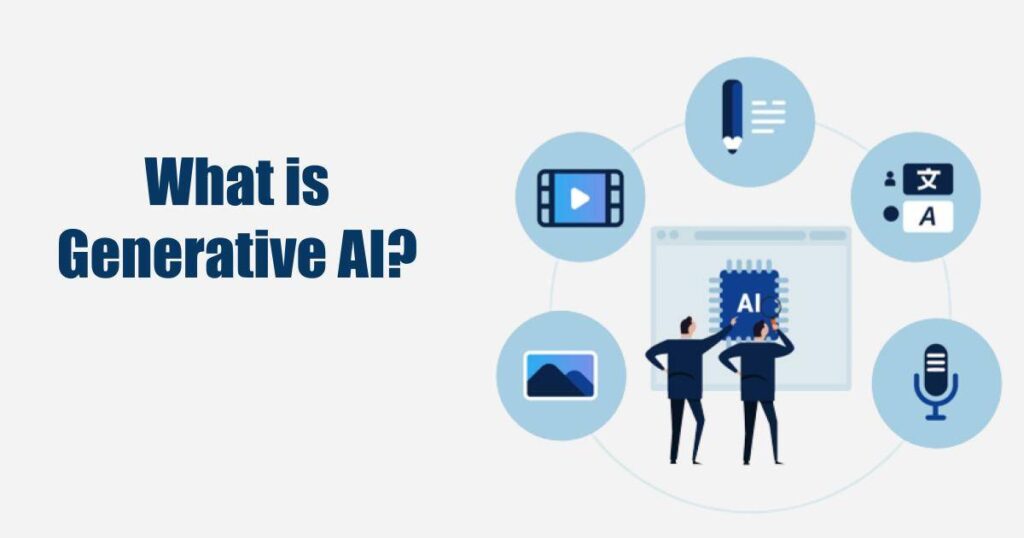
What is Generative AI?
Generative AI refers to a subset of artificial intelligence that focuses on creating new content, such as text, images, audio, and even video. Unlike traditional AI, which is designed to analyze and interpret data, Generative AI uses advanced algorithms like GPT (Generative Pre-trained Transformer) and GANs (Generative Adversarial Networks) to produce original outputs based on input data.
Popular examples of Generative AI tools include:
- ChatGPT (for text generation)
- DALL·E (for image generation)
- Jasper.ai (for marketing content)
- Synthesia (for video creation)
These tools are not only enhancing creativity but also streamlining workflows across industries, including digital marketing and SEO.
How Generative AI is Transforming SEO
Generative AI is reshaping SEO in several ways, from content creation to technical optimization. Here’s how:
1. Automating Content Creation
Content is king in SEO, but producing high-quality, engaging, and keyword-optimized content can be time-consuming and resource-intensive. Generative AI tools like ChatGPT and Jasper.ai are revolutionizing this process by:
- Generating blog posts, articles, and product descriptions in minutes.
- Creating SEO-friendly meta descriptions, title tags, and alt text.
- Repurposing existing content into new formats (e.g., turning blogs into videos or infographics).
For example, a business can use Generative AI to create a 2,000-word blog post on “Top Digital Marketing Trends in 2024” in under an hour, complete with relevant keywords and headings.
2. Enhancing Keyword Research
Keyword research is the backbone of SEO, and Generative AI is making it faster and more accurate. Tools like Surfer SEO and Frase use AI to:
- Analyze search intent and suggest long-tail keywords.
- Identify gaps in your content compared to competitors.
- Generate keyword clusters for topical authority.
By leveraging AI-driven insights, businesses can target high-value keywords that drive traffic and conversions.
3. Optimizing On-Page SEO
Generative AI can analyze your website’s on-page elements and provide actionable recommendations for improvement. For instance:
- AI tools can suggest optimal keyword density, heading structures, and internal linking strategies.
- They can identify and fix technical issues like broken links, duplicate content, and slow page speed.
This ensures your website is not only user-friendly but also search-engine-friendly.
4. Personalizing User Experiences
Personalization is a key factor in improving user engagement and reducing bounce rates. Generative AI can:
- Create dynamic content tailored to individual user preferences.
- Generate personalized product recommendations based on browsing history.
- Automate chatbots to provide real-time, personalized responses to user queries.
By delivering personalized experiences, businesses can boost user satisfaction and improve their SEO rankings.
5. Scaling Content Production
For businesses with multiple websites or large content needs, Generative AI enables scalability. You can:
- Produce hundreds of product descriptions or blog posts in a fraction of the time.
- Localize content for different regions and languages using AI-powered translation tools.
- Maintain consistency in tone and style across all content.
This scalability is particularly beneficial for e-commerce businesses and content-heavy industries like travel and finance.
6. Improving Content Quality
While AI-generated content is often criticized for lacking a human touch, advancements in Generative AI are bridging this gap. Modern tools can:
- Mimic human writing styles and tones.
- Incorporate storytelling elements to make content more engaging.
- Use data-driven insights to ensure accuracy and relevance.
By combining AI-generated content with human editing, businesses can achieve a perfect balance of quality and efficiency.

Benefits of Using Generative AI for SEO
The integration of Generative AI into SEO strategies offers numerous benefits, including:
1. Time and Cost Efficiency
Generative AI significantly reduces the time and cost associated with content creation and optimization. Businesses can produce more content in less time, freeing up resources for other marketing activities.
2. Data-Driven Insights
AI tools analyze vast amounts of data to provide actionable insights, helping businesses make informed decisions about their SEO strategies.
3. Competitive Advantage
By leveraging Generative AI, businesses can stay ahead of competitors by producing more content, targeting better keywords, and optimizing their websites more effectively.
4. Improved ROI
With faster content production and better optimization, businesses can achieve higher rankings, increased traffic, and improved conversion rates, leading to a higher return on investment (ROI).
Challenges of Using Generative AI for SEO
While Generative AI offers numerous advantages, it also comes with its own set of challenges:
1. Quality Control
AI-generated content may lack depth, creativity, or accuracy, especially for complex topics. Human oversight is essential to ensure the content meets quality standards.
2. Ethical Concerns
The use of AI in content creation raises ethical questions, such as:
- Plagiarism and copyright infringement.
- Misinformation or biased content.
- Over-reliance on automation at the expense of human creativity.
3. Search Engine Penalties
Search engines like Google prioritize high-quality, user-focused content. Overusing AI-generated content without proper editing or optimization can lead to penalties and lower rankings.
4. Lack of Emotional Connection
AI-generated content may lack the emotional resonance and authenticity that human-created content offers, potentially impacting user engagement.

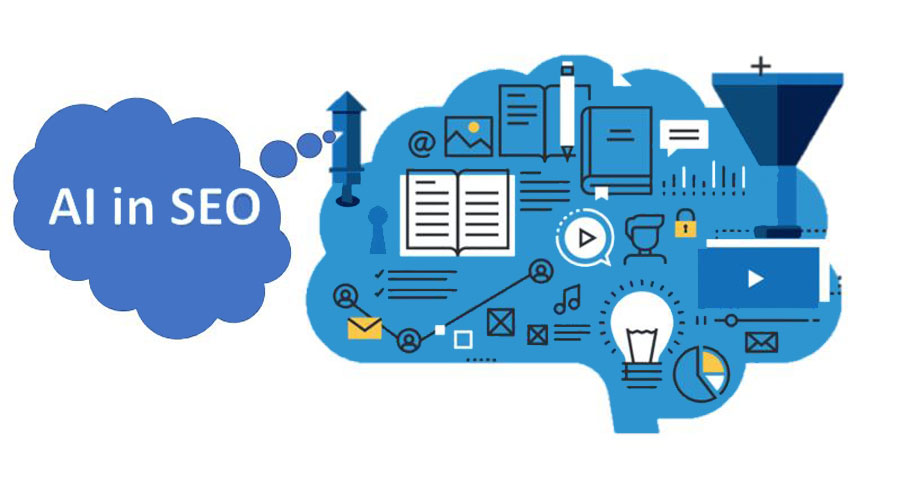
Best Practices for Using Generative AI in SEO
To maximize the benefits of Generative AI while mitigating its challenges, follow these best practices:
1. Combine AI with Human Expertise
Use AI as a tool to assist, not replace, human creativity. Always review and edit AI-generated content to ensure it aligns with your brand voice and meets quality standards.
2. Focus on User Intent
Create content that addresses user needs and search intent. Use AI to analyze user behavior and tailor your content accordingly.
3. Optimize for E-E-A-T
Google’s E-E-A-T (Experience, Expertise, Authority, Trustworthiness) guidelines emphasize the importance of high-quality, trustworthy content. Ensure your AI-generated content meets these criteria by incorporating expert insights and credible sources.
4. Monitor Performance
Regularly track the performance of your AI-generated content using analytics tools. Identify what works and what doesn’t, and refine your strategy accordingly.
5. Stay Updated on SEO Trends
SEO is constantly evolving, and so is Generative AI. Stay informed about the latest trends and updates to ensure your strategies remain effective.
The Future of Generative AI and SEO
As Generative AI continues to advance, its impact on SEO will only grow. Here are some future trends to watch:
1. Voice Search Optimization
With the rise of voice assistants like Siri and Alexa, optimizing for voice search will become increasingly important. Generative AI can help create conversational, long-tail content tailored to voice queries.
2. Visual and Video SEO
Generative AI tools like DALL·E and Synthesia are making it easier to create visual and video content. Optimizing this content for search engines will be a key focus in the future.
3. Hyper-Personalization
AI will enable even more personalized user experiences, from dynamic website content to tailored email campaigns, enhancing user engagement and SEO performance.
4. AI-Powered Analytics
Advanced AI tools will provide deeper insights into user behavior, enabling businesses to fine-tune their SEO strategies with unprecedented precision.
Conclusion
Generative AI is undeniably transforming the world of SEO, offering powerful tools to streamline content creation, enhance optimization, and improve user experiences. However, it’s essential to use this technology responsibly, combining AI’s efficiency with human creativity and expertise. By staying informed about the latest trends and best practices, businesses can harness the full potential of Generative AI to achieve their SEO goals and stay ahead in the competitive digital landscape.
Final Word: Generative AI is not just a trend—it’s the future of SEO. Embrace it wisely, and you’ll unlock new opportunities for growth and success in the digital age.


